01 · Vision
Windshield camera & glass
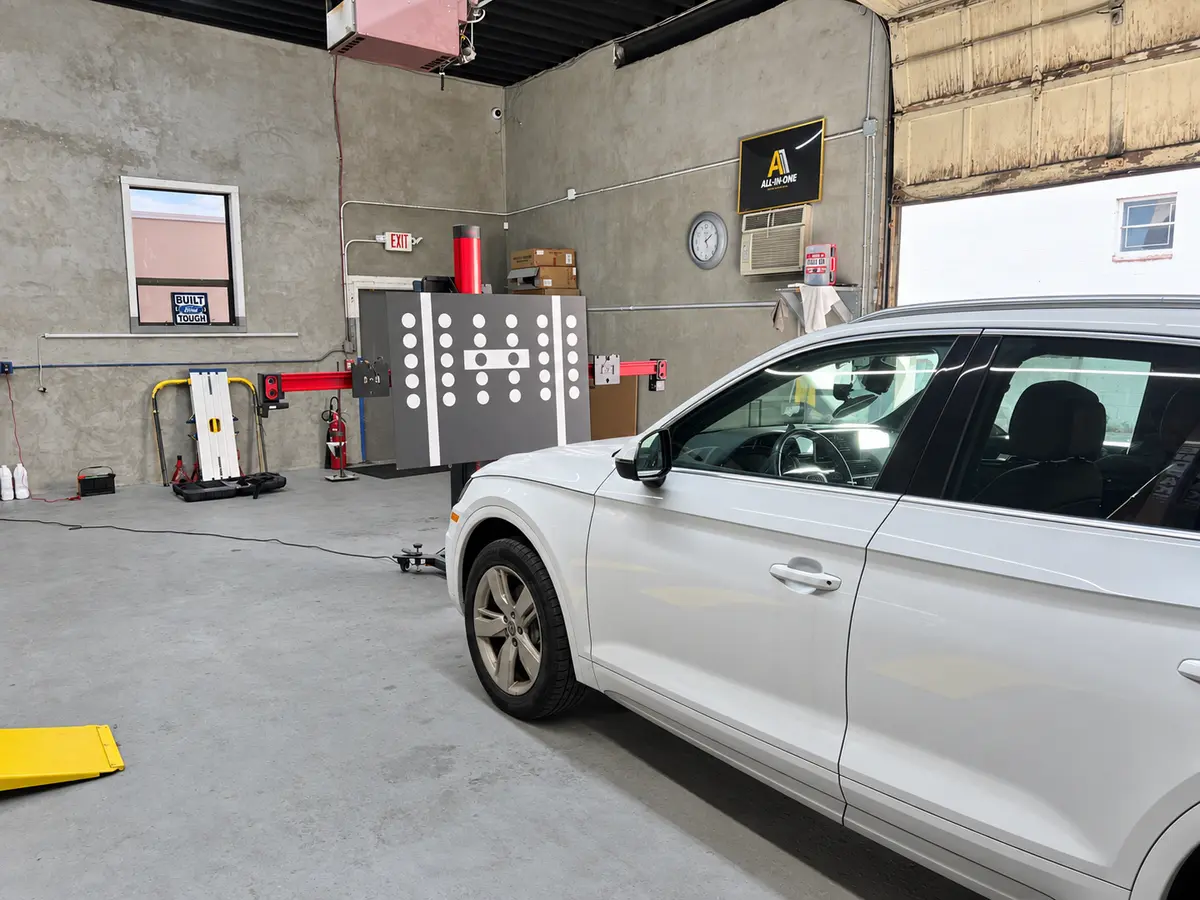
Camera position, glass specifications, mounting, and the vehicle's geometry all matter when restoring the system's view of the road.
ADAS Calibration
AutoLab performs vehicle-specific camera and radar calibration for Bergen County drivers and repair shops. Our owner-operator reviews the vehicle and required procedure, including whether diagnosis, parts, or programming are needed first.
From AutoLab appointments
These sensors depend on exact mounting, clear sight lines, and vehicle-specific aiming. A small physical change can affect the systems using their data.
Camera position, glass specifications, mounting, and the vehicle's geometry all matter when restoring the system's view of the road.
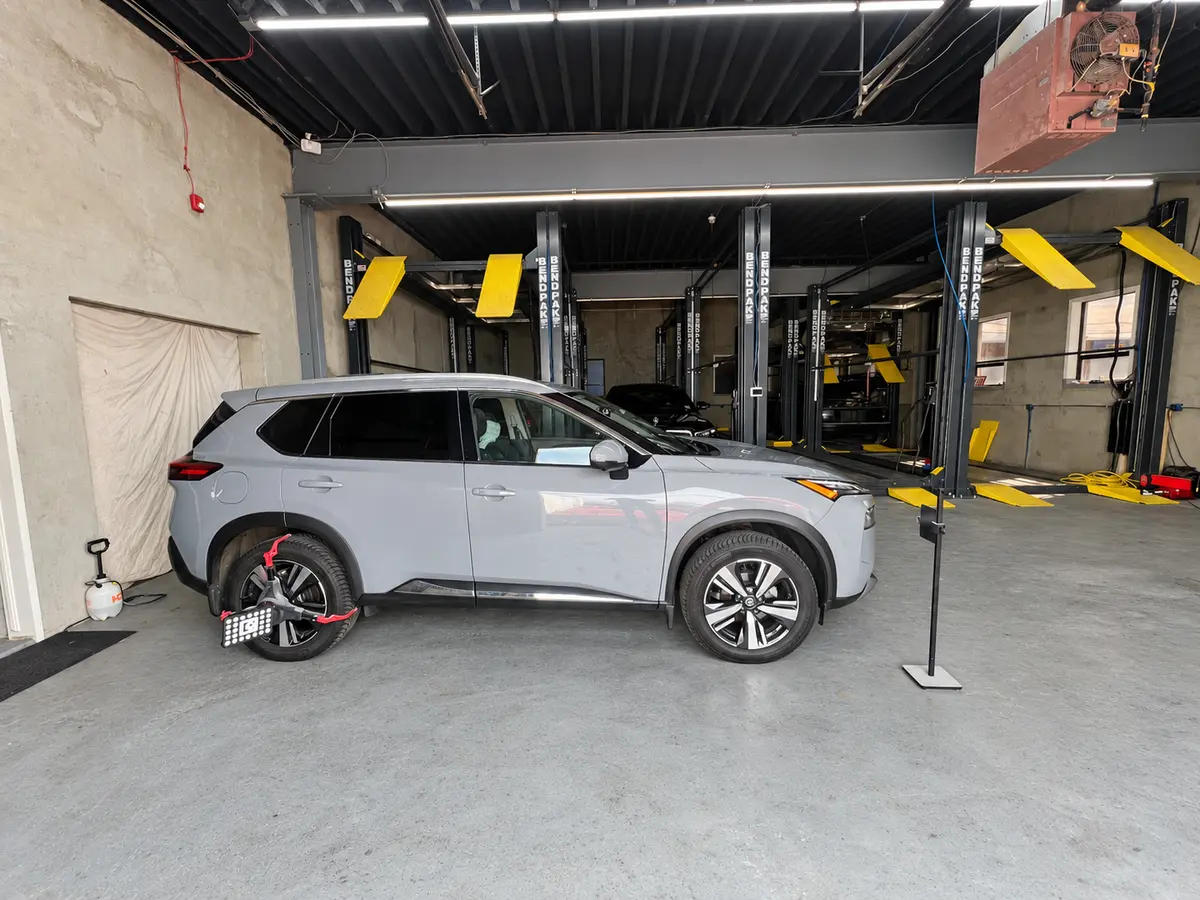
Radar alignment can be affected by collision damage, bumper or grille work, bracket position, ride height, and alignment changes.
Common triggers
Requirements vary by year, make, model, equipment, and repair operation. We use the VIN and repair context to determine the appropriate direction.
Forward-facing cameras may require calibration after windshield replacement, camera removal, or mounting changes.
Bumper, grille, radiator support, structural, and sensor-area repairs can affect radar or camera alignment.
Changes to ride height, thrust angle, steering geometry, or related components can alter ADAS reference points.
A new camera, radar, steering component, control module, or bracket may need setup, aiming, coding, or calibration.
Systems we evaluate
Some vehicles require static calibration with a target, some require a controlled road procedure, and others require both.
Before the appointment
A structured vehicle review helps prevent an unnecessary trip when a vehicle has active faults, damaged mounting, incorrect parts, alignment issues, or programming prerequisites.
Use the guided assessment when the correct service is unclear, or submit a direct work order when the service is already known.
VIN, repair context, requested service, timing, and documents arrive together instead of across separate calls and texts.
One workfile is created for review so scope, pricing, and scheduling can be confirmed from the same record.
What you receive
Pre-service system review and scan when applicable
Vehicle-specific static, dynamic, or combined procedure
Calibration result and supporting service documentation
Clear explanation when another fault prevents completion
Choosing your next step
Start with the required work and confirm who can complete it for your vehicle.
AutoLab provides an independent option for supported camera and radar calibration work. We review the VIN, affected system, required procedure, and equipment or software access before accepting the job. Some operations may require additional access or a different provider. Send the vehicle details so we can confirm your options instead of assuming every vehicle is covered. Meet Dean and learn how AutoLab works →
Mobile diagnostic visits may be available for Bergen County vehicles, depending on location and scope. A visit can help identify a damaged sensor, mounting concern, or another fault. It does not guarantee an on-site repair or calibration. In-shop appointments are arranged when the required work needs that setup; contact AutoLab directly for the appointment address. Explore diagnostic service →
Send the exact failure message, VIN, scan report, and recent glass or repair history. AutoLab can review whether diagnostic work is needed before another attempt. In our Audi Q5 case, replacing the camera's gel optical pad resolved the target-recognition issue and allowed the static calibration to complete successfully. Read the completed Q5 case →
Compare the same scope: diagnosis, replacement parts, installation, programming, and the required calibration. Ask who performs the procedure, whether it is completed on-site or sublet, what result is documented, and which faults remain. AutoLab confirms the proposed scope and provides the quote privately after reviewing your vehicle. See why remaining faults matter →
Only the applicable procedure can determine the required method. AutoLab reviews the vehicle and system before choosing static, dynamic, or combined calibration. A routine drive or clearing codes is not a substitute for a required target procedure. Compare calibration methods →
From the AutoLab workshop
Start with the vehicle
Use the 60-second assessment to send the VIN, dashboard message, and recent repair history. We’ll organize the information and confirm the next step.